Is your roof trying to tell you something? As homeowners, we often overlook the signs that our roof is in need of attention until it’s too late. But knowing the warning signals can save you from costly repairs and potential damage to your home. In this comprehensive guide, we’ll walk you through the top 10 signs that it’s time to replace your roof, empowering you to take proactive steps in protecting your most valuable investment.
1. Age Matters:
Let’s start with the basics – age. Like any part of your home, your roof has a lifespan. Most asphalt shingle roofs last around 20-25 years. If your roof is approaching or has surpassed this age range, it’s time to start paying extra attention.
2. Curling or Buckling Shingles:
Take a good look at your roof. Do you notice any shingles that are curling or buckling? This is a clear indication that your roof is past its prime. Curling shingles can allow water to seep underneath, leading to leaks and water damage inside your home.
3. Missing Shingles:
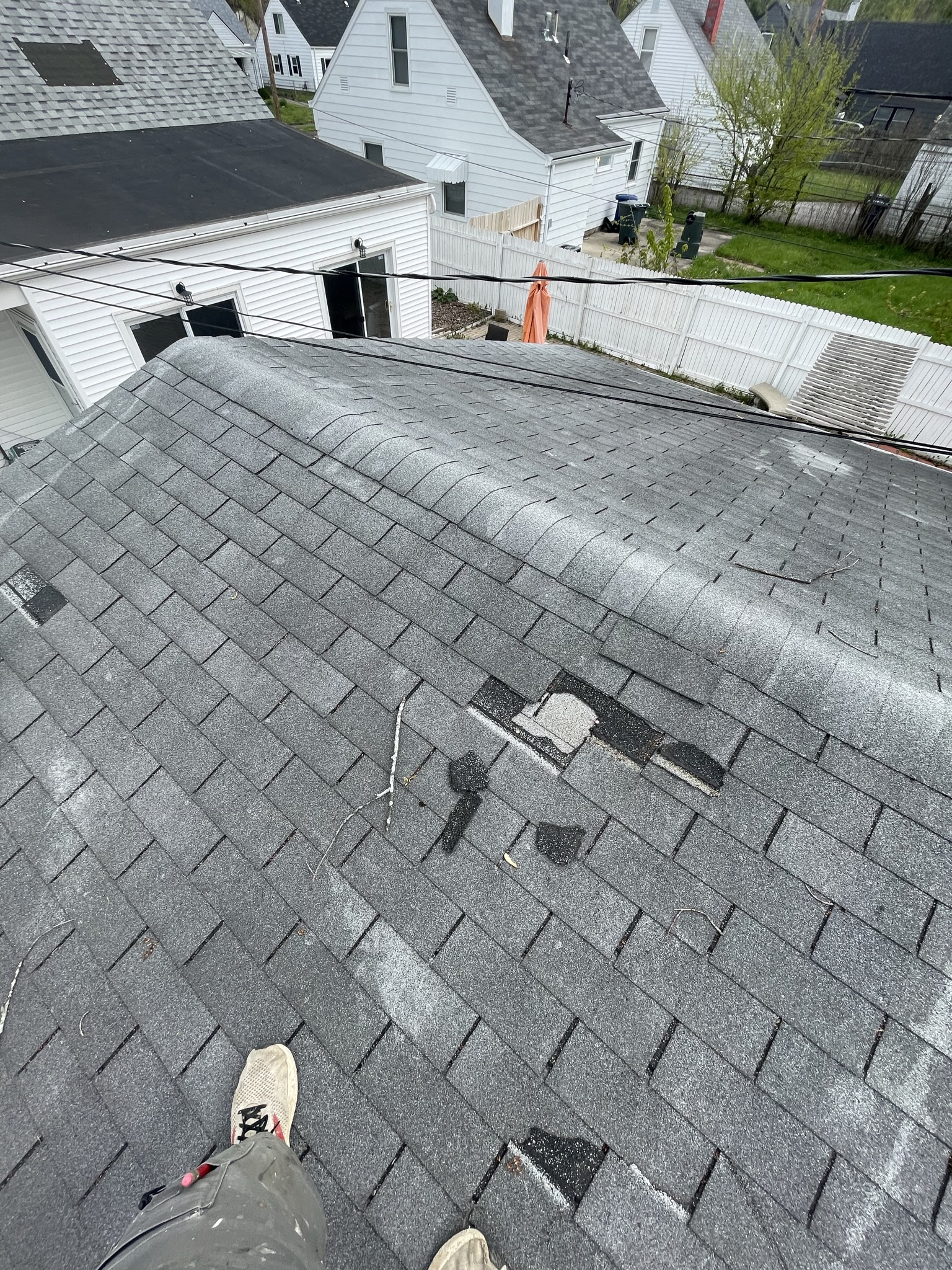
If you spot missing shingles on your roof, don’t ignore it. Missing shingles leave your roof vulnerable to water infiltration, which can cause rot, mold, and structural damage over time. Addressing missing shingles promptly can prevent more extensive problems down the road.
4. Granules in the Gutters:
Check your gutters regularly for granules from your shingles. As shingles age, they start to lose their granules, which protect them from the sun’s UV rays. If you notice an excessive amount of granules in your gutters, it’s a sign that your roof may need replacing soon.
5. Cracked or Damaged Shingles:
Cracked or damaged shingles compromise the integrity of your roof and leave it susceptible to leaks. Inspect your roof for any signs of cracking or damage, especially after severe weather events like hail storms.
6. Sagging Roof Deck:
A sagging roof deck is a serious red flag that indicates structural issues with your roof. If you notice any areas of your roof that appear to be sagging or dipping, it’s crucial to have a professional inspection immediately to assess the extent of the damage.
7. Daylight Through the Roof Boards:
Go up to your attic during the day and look for any signs of daylight coming through the roof boards. If you can see daylight, it means that there are openings in your roof that need to be addressed promptly to prevent water intrusion.
8. Water Stains on Ceilings or Walls:
Water stains on your ceilings or walls are a clear indication of roof leaks. While the source of the leak may not always be directly above the stain, it’s essential to address any water stains promptly and have your roof inspected to identify and fix the underlying issue.
9. Increased Energy Bills:
An aging or damaged roof can compromise your home’s energy efficiency, leading to higher heating and cooling bills. If you’ve noticed a significant increase in your energy bills, it could be a sign that your roof is no longer providing adequate insulation.
10. Mold or Mildew Growth:
Excessive moisture from a leaking roof can create the perfect environment for mold and mildew growth. If you notice any signs of mold or mildew inside your home, especially in the attic or upper floors, it’s crucial to address the underlying cause, which may be a failing roof.